
So, you just got engaged. First of all, congratulations. That season of life is so exciting, so surreal, and yes, a little unhinged at times. Wedding planning can feel magical one minute and deeply overwhelming the next. There are flowers, guest lists, budgets, dress appointments, food choices, seating charts, and approximately one million opinions floating around at all times.
It helps to know that there actually is a way to organize it all without losing your mind.
After planning a wedding over nearly two years, I learned that a beautiful, smooth, memorable wedding is not just about taste. It is also about systems, timing, and making a few very smart decisions early. This is not a guide for ultra-budget weddings or extreme cost cutting. I had money to spend, and my focus was not on finding the absolute cheapest option every time. My focus was on making the day feel beautiful, intentional, and as stress-free as possible.
If that is your goal too, these are the wedding planning tips that matter most.
Table of Contents
- Start with two things: a budget spreadsheet and a vision board
- Ask your bridesmaids in a way that actually feels thoughtful
- Book a full-service venue if you want your life to be easier
- The most worthwhile wedding expense: a day-of coordinator
- Guest list, save the dates, invitations, and your wedding website
- Wedding dress shopping is not always magical, and that is normal
- Hair and makeup: choose artists carefully, then stop stressing
- Wedding food can make or break the night
- You do not need a giant wedding cake
- Hire a DJ, but choose the right kind of DJ
- Entertainment beyond dancing can be what people remember most
- Decor: rent what you can and be honest about your DIY limits
- You probably do not need wedding favors
- What guests actually remember
- Something weird will probably go wrong, and that does not mean the wedding failed
- Final wedding planning advice for 2026 brides
- FAQ
Start with two things: a budget spreadsheet and a vision board
When you first begin planning, the sheer number of decisions can feel ridiculous. Before reaching out to vendors or shopping for details, get your foundation in place.
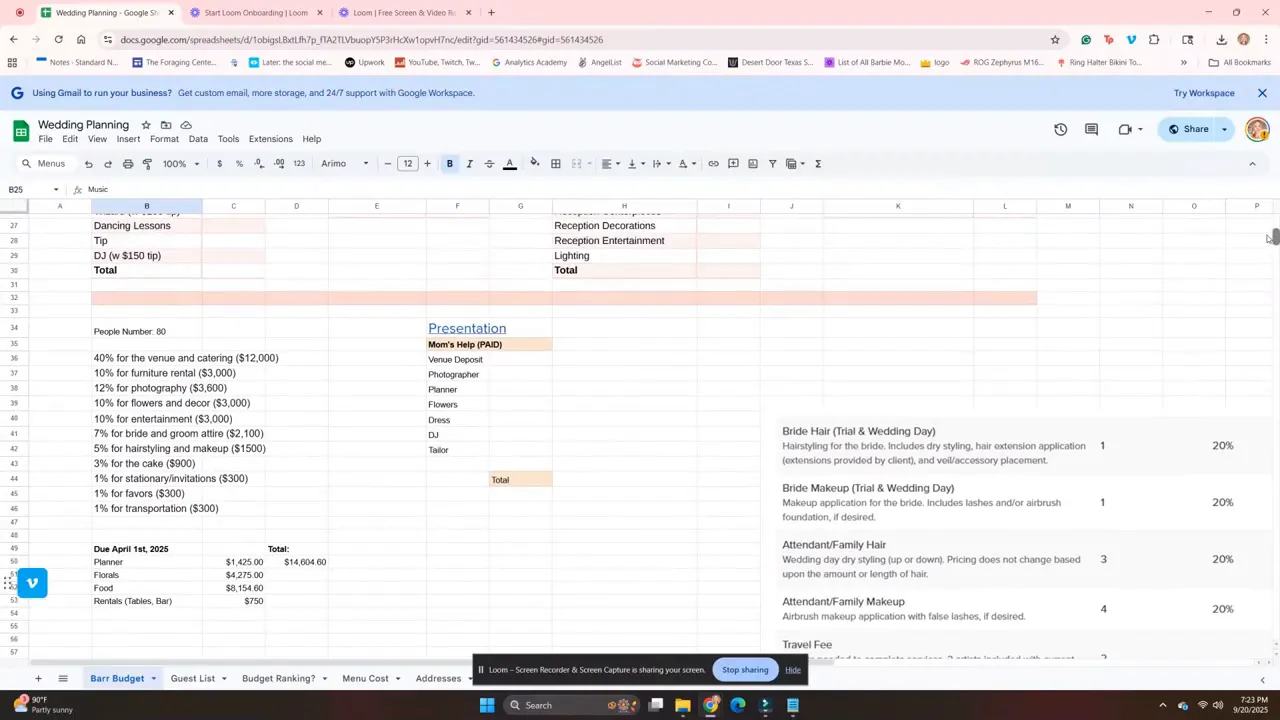
1. Create a shared wedding planning spreadsheet
The first truly useful thing to make is a Google Sheet. Share it with the people who need to be involved, whether that is your fiancé, your mom, or anyone helping you keep things moving.
Your spreadsheet should include:
-
An overall wedding budget
-
Category tabs for each vendor or planning area
-
Expected cost ranges
-
Actual quotes received
-
Final booked prices
One of the smartest ways to approach the budget is to start with your total number and break expenses into percentages of that number. That gives you a realistic framework before emotions get involved. Because once you start talking to vendors, everything sounds beautiful and necessary.
Having the math laid out helps you quickly identify what is within budget, what is stretching it, and where you have room to adjust.
2. Build a Pinterest board that reflects the feeling of the day
Your Pinterest board is not just for fun. It becomes a visual language for your entire wedding.
You can approach it in two ways. You can go in with a strong concept already in mind, or you can start pinning broadly and let your taste reveal itself over time. Both are valid.
What matters is that eventually your board starts to show patterns. Colors. Textures. Lighting. Dress silhouettes. Floral styles. Table settings. Ceremony moods. All of it.
For example, if your dream aesthetic is fantasy-inspired, moody, and springy at the same time, your board might naturally settle into blush tones, dark greens, overgrown greenery, dim lighting, candles, and a slightly enchanted atmosphere. That visual consistency is what helps the whole wedding feel cohesive.
It also helps you figure out what you do not want. Sometimes that is just as important. Maybe you realize traditional linens are not your thing. Maybe you hate bright tropical florals. Maybe you want black tie energy instead of rustic casual.
Once you have a board that feels aligned, it becomes an incredibly useful tool for:
-
Your florist
-
Your planner
-
Your hair and makeup team
-
Your bridesmaids
-
Any decor or stationery designer you hire
Think of those colors and references as the wedding’s brand palette. Slightly dramatic wording, maybe. Still true.
3. Pick an emotional support person before the chaos begins
This sounds small. It is not small.
You need one person who understands that wedding planning is not just a logistics project. It is emotional. It brings up family dynamics, expectations, insecurities, fatigue, and random panic over things like chairs or veil length.
Choose the person who can calm you down, reassure you, and stay steady when you are spiraling. Let them know early that you may need them in that role. Having that support matters a lot, especially in the final weeks.
Ask your bridesmaids in a way that actually feels thoughtful
If you are having bridesmaids, this is one of the first really fun moments of planning.
Bridesmaid boxes can be cute, but they do not need to be stuffed with random things that say “bridesmaid” in glitter script and never get used again. Most people do not need another themed sleep mask or novelty scrunchie.
A better approach is to include a few genuinely nice, useful items and a handwritten note.
Great bridesmaid box ideas include:
-
Nail polish in a shade they would actually wear
-
A candle in a scent or color they would love
-
A favorite chocolate or small treat
-
Something personal in their preferred color
-
A heartfelt note explaining why you want them beside you
The personal note is really the point. That is the part people remember.
Book a full-service venue if you want your life to be easier
The venue is one of the biggest decisions you will make, and I feel very strongly about this: if your budget allows, a full-service wedding venue is worth serious consideration.
A great full-service venue often includes or offers:
-
A getting-ready space
-
A ceremony site
-
Fresh-made food or in-house catering
-
A bar
-
Tables and chairs
-
Optional decor rentals
-
A venue coordinator
This matters because a shocking number of venues are basically just empty spaces with a pretty backdrop. You assume chairs are included. Sometimes they are not. You assume tables are available. Sometimes those are extra too. Suddenly you are renting “shitty chairs” for hundreds of dollars, coordinating multiple delivery windows, and creating problems for yourself that did not need to exist.
With a full-service venue, so many moving parts are already under one roof. Instead of contacting five separate vendors for basics, you often have one main point of communication for the core structure of the event.
Also, once you choose your venue, visit it multiple times if you can. Walk the paths. Stand in the ceremony space. Look at the getting-ready rooms. Understand the flow. Familiarity lowers anxiety.
The most worthwhile wedding expense: a day-of coordinator
If there is one place to spend money that truly changes the experience of your wedding day, it is this.
A day-of coordinator, sometimes called a wedding coordinator, is not the same thing as the venue coordinator. These are two different roles, and the distinction matters.
Venue coordinator vs. day-of coordinator
Venue coordinator:
-
Represents the venue
-
Oversees venue staff and venue operations
-
Handles kitchen, bar, and property-related issues
Day-of coordinator:
-
Represents you
-
Manages your timeline
-
Coordinates outside vendors
-
Handles decor setup details
-
Solves surprise problems
-
Answers everyone’s questions so they are not coming to you
A good day-of coordinator is like having a very competent fairy fixing things before you even realize they went wrong.
You can absolutely plan your wedding yourself. But when the wedding gets close, handing over all your work to someone who can carry it through is priceless. Around 12 weeks out is often when this support starts becoming especially hands-on and detailed.
If your dress needs pinning, if a vendor is confused, if decor needs placement, if the timeline shifts, if something breaks, if family members need direction, this is the person who protects your peace.
It is one of the few wedding expenses that can impact almost every hour of the day in a positive way.
Guest list, save the dates, invitations, and your wedding website
Once you know your venue and your date, you can start telling people.
Send save the dates early
If you already know many guests will be traveling, especially from out of state or internationally, send save the dates much earlier than people expect. Around a year or even more in advance can be helpful.
A save the date does not need to include everything. It just needs the essentials:
-
Your names
-
The wedding date
-
The venue name or city
-
Enough information for guests to reserve the day
That is it. This is not the moment for full logistics.
Use invitations for the full details
Your formal invitations should come later and include the specific information guests need to actually plan attendance.
That may include:
-
Venue name and address
-
Wedding date and time
-
Dress code
-
Meal selection information
-
Your wedding website
-
RSVP instructions
Design-wise, Canva can be a great option if you are comfortable making your own stationery. It gives you flexibility and makes printing surprisingly simple. Etsy is another nice option if you want beautiful templates without designing from scratch.
Your wedding website is not optional if you want fewer guest questions
A wedding website is one of the easiest ways to make the guest experience smoother.
Platforms like The Knot offer free wedding website builders where you can keep everything in one place. That means fewer texts asking what time it starts, where to stay, what to wear, or whether they already RSVPed.
Your website can include:
-
Engagement photos
-
A wedding countdown
-
Venue information
-
Dress code
-
RSVP links
-
Your registry
-
Hotel recommendations
-
Things to do in your city
-
Travel notes for out-of-town guests
If many guests are unfamiliar with your wedding location, adding restaurant suggestions, local activities, and hotel tiers at different price points is genuinely helpful. It makes the whole event feel more welcoming and thoughtful.
Wedding dress shopping is not always magical, and that is normal
I think a lot of people expect wedding dress shopping to be one uninterrupted montage of champagne, glowing skin, and instant certainty. Sometimes it is. Sometimes it is also exhausting, emotional, and weirdly stressful.
There are a lot of options. There is pressure. You are often half-dressed in bright lighting while a stranger zips you into expensive fabric and asks how you feel. It can be a lot.
Going in with at least a rough idea of what you like helps immensely. Pinterest is useful here too. Before your appointments, try to identify a few baseline preferences:
-
Ball gown or fitted silhouette
-
Strapless, sleeves, or straps
-
Structured or soft
-
Minimal or embellished
-
What you definitely do not want
Knowing, for example, that you do not want sleeves or a mermaid shape gives your consultant something real to work with.
The feeling of “this is the dress” may not look how you expect
This part is important because I think it surprises people.
Sometimes finding your dress does not feel bubbly or cinematic. Sometimes it feels like a wave of nervousness. Sometimes it suddenly makes the wedding feel real, and that emotional intensity can read more like chills than joy.
If you try on a dress and feel stunned, quiet, overwhelmed, or deeply emotional instead of squealing, that does not mean it is wrong. It may just mean your body is processing a very big life moment in a more serious way.
You also do not have to buy the dress on the spot. If you need to sit with it for a few days or a couple weeks, do that.
Veils and accessories do not always need an immediate decision
If you fall in love with a dramatic accessory, like a cathedral veil with vine detailing, but the price is making you hesitate, give yourself time. Accessories that do not require tailoring usually allow for a slower decision process.
If you still want it months later, that tells you something.
For many brides, the right accessory becomes one of the most memorable parts of the whole look. If it is expensive but unforgettable and you genuinely cannot stop thinking about it, it may be worth it for you.
Get alterations started as soon as you can
Once your dress arrives, do not drag your feet on tailoring. Alterations take time, and skilled tailors get very busy during peak wedding season.
This is one of those practical tasks that can sneak up on people fast. Earlier is better.
Hair and makeup: choose artists carefully, then stop stressing
Hair and makeup can easily become a rabbit hole, especially if you keep changing your mind about what suits you. That is normal.
The most important thing is not having every detail figured out immediately. The most important thing is hiring artists whose work already reflects the style you want.
If you want glowy, modern makeup that enhances your natural features, then that should already be visible across their portfolio. If all their work looks heavy, dated, or overly dramatic, believe what you are seeing.
Before booking, thoroughly review:
-
Instagram portfolios
-
Website galleries
-
Client reviews
-
Consistency across different skin tones and face shapes
There are many artists out there. Not all of them are great. Vet thoroughly, then let yourself relax.
Wedding food can make or break the night
If there is one guest-facing category that people absolutely notice, it is food.
Bad food timing, no snack options, or a lack of accommodations can make people cranky fast. Good food, on the other hand, makes everyone feel cared for.
The food non-negotiables
There are three things I would consider essential.
1. Offer multiple meal options
People have different preferences, dietary restrictions, and allergies. Give them options.
A strong meal selection might include:
-
One beef option
-
One chicken option
-
One vegetarian option
-
At least one dish that works for gluten-free guests
And when guests RSVP, ask about allergies. If your venue or caterer can accommodate those in advance, that makes a huge difference.
2. Have non-alcoholic hydration everywhere
Water is not optional. Especially if your wedding is outdoors, warm, or includes a full bar.
At minimum, provide water stations or bottled water throughout the event. Beyond that, it is a good idea to offer a few additional non-alcoholic drinks so guests have options besides alcohol.
That might include:
-
Fountain drinks
-
Iced tea
-
Coffee later in the evening
This is one of those small hospitality details that people may not consciously praise, but they absolutely feel when it is missing.
3. Serve appetizers during cocktail hour
Please feed people before dinner.
Guests often arrive having eaten very little because they assume food is coming. Then there is a ceremony, photos, mingling, drinks, and waiting. Appetizers bridge that gap and keep everyone happy.
Passed appetizers work beautifully. A cheese board works too. Sushi, pastry bites, savory puffs, crackers, small handheld things people can eat while standing and chatting. It does not have to be excessive. It just needs to exist.
Choosing your dinner style
There are three common ways to serve dinner at a wedding, and each one creates a slightly different experience.
Buffet
Usually the most budget-friendly. Guests serve themselves from a station.
Pros: often cheaper, more flexible, can feel generous and casual.
Cons: tables are served in waves, so some people eat much later than others.
Plated dinner
Guests choose their meals in advance and are served at the table.
Pros: polished, organized, easier for allergy accommodations, often feels more efficient.
Cons: more expensive due to staffing and service structure.
Family style
Large shared platters are placed on each table and guests serve themselves.
Pros: warm, communal, encourages conversation.
Cons: pricing can be surprisingly high depending on the caterer.
There is no universal right answer. It depends on your priorities, your venue, and your budget. But it is worth asking for pricing on all three because the cost differences can be unexpected.
You do not need a giant wedding cake
This is one of my favorite reminders because wedding cake is often treated like a mandatory centerpiece expense when it really does not have to be.
You can absolutely have a small cake just for the couple and serve entirely different desserts to everyone else. That gives you more flexibility and can be a lot more fun.
Some of the best wedding dessert options are the ones people already know and love. Familiarity matters. Guests get excited when they recognize something they trust is delicious.
A mix like this works beautifully:
-
A small personal cake for the cake cutting
-
Doughnuts
-
Mini tarts
-
A homemade dessert if you enjoy making one
And yes, people can become wildly enthusiastic over something as simple as Krispy Kreme. That kind of recognizable comfort dessert can end up being a fan favorite.
Hire a DJ, but choose the right kind of DJ
Music shapes the energy of the day. It carries transitions, fills dead air, and determines whether the reception feels effortless or awkward.
I would not rely on a Spotify playlist through venue speakers unless you are doing a very tiny, very casual event and are comfortable with the risks. For most weddings, hiring a DJ is the safer and smoother choice.
When looking at DJ packages, pay attention to what is included. Many offer:
-
A set number of hours
-
MC services
-
Basic lighting setup
-
Reception audio support
MC services can be especially helpful because they guide transitions. That includes introducing the couple, moving the event from one section to another, and keeping things flowing without confusion.
The key, though, is hiring a DJ whose personality fits your wedding.
If you do not want a corny, overly talkative DJ cracking forced jokes and trying to dominate the room, say that. You are allowed to want someone who manages the vibe professionally and mostly stays in the background.
That clarity up front can save you from a lot of secondhand embarrassment later.
Entertainment beyond dancing can be what people remember most
Music may be the baseline, but extra entertainment can elevate your wedding in a big way, especially if not everyone is going to be on the dance floor all night.
One of the most memorable ideas I have ever seen was hiring a local wizard to do tarot readings and palm readings at the wedding. It was unusual, interactive, and deeply personal. People loved it.
That kind of entertainment works because it does more than just fill time. It gives guests something to connect over. It lowers social awkwardness. It gives people a story to tell. It creates little pockets of meaning and surprise throughout the event.
And honestly, weddings are a great place to get creative.
Entertainment ideas can include:
-
A tarot reader or palm reader
-
A magician
-
A drag performer
-
Interactive live art
-
A dance performance or planned first dance
If it suits your style and helps guests feel engaged, it can absolutely work.
A coordinated first dance is worth considering
If you and your partner are open to it, dance lessons can be such a lovely investment. Learning a waltz or any coordinated first dance turns that moment into something intentional and memorable.
It does not have to be technically perfect. Guests respond to the effort, the romance, and the confidence of seeing the two of you fully in it together.
Decor: rent what you can and be honest about your DIY limits
Decor planning can get chaotic quickly because there are so many categories hiding under that one word.
You are not just thinking about “flowers.” You are thinking about:
-
Ceremony arrangements
-
Reception centerpieces
-
Candles
-
Linens
-
Plates and glassware
-
Card box
-
Signage
-
Seating chart
-
Table numbers
-
Special detail pieces
That is why lists matter so much here.
Also, and I say this with love, be realistic about DIY.
DIY can be wonderful if you are highly skilled, have the time, and genuinely enjoy the process. But wedding DIY has a way of becoming far more stressful than expected.
Some projects turn out beautifully and still are not worth the labor. Some get forgotten at home. Some melt in the heat. Some require emergency repair on the wedding day. That does not mean you failed. It just means weddings are not always the best arena for fragile, handmade logistics.
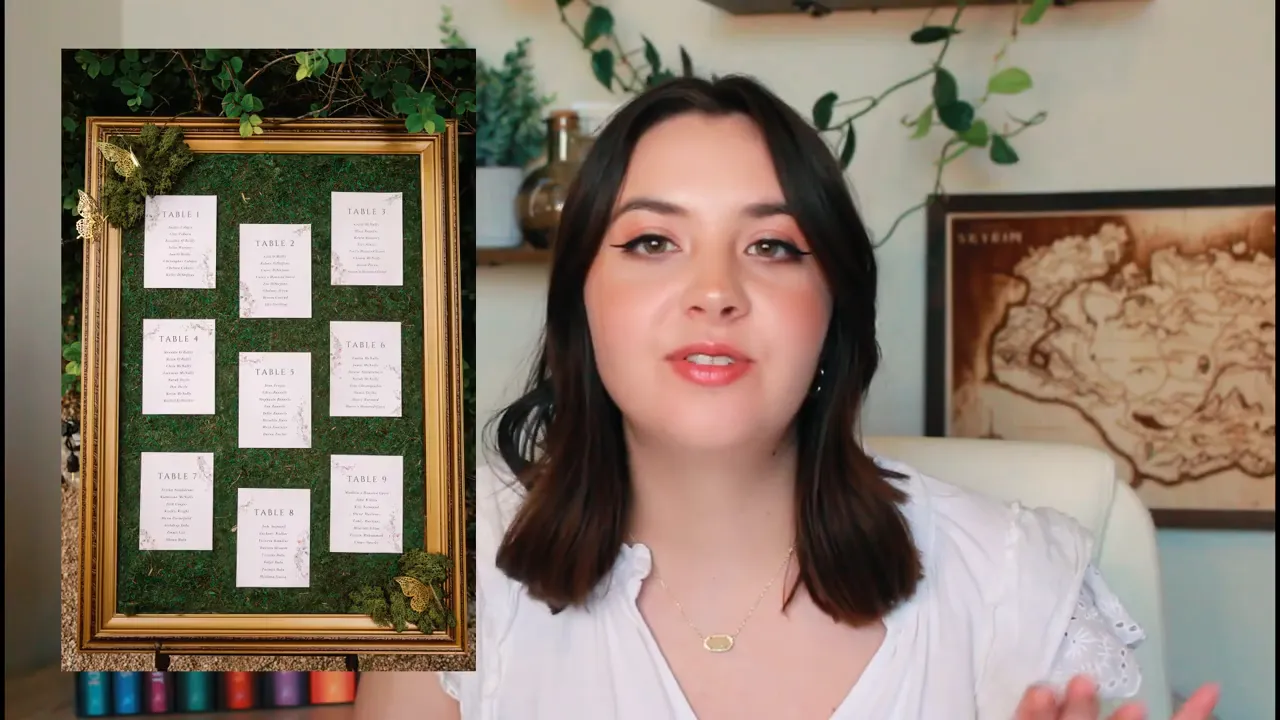
If your budget allows, put your money into quality pieces and professional support for anything that really matters to the final look. Rentals are often your friend here. Florals, linens, specialty plates, and larger decor items can usually be rented or handled through vendors with far less stress.
Simple purchased pieces are often enough for the small stuff. A card box. An unplugged ceremony sign. A cleanly printed seating chart. It does not all need to be handcrafted to be lovely.
You probably do not need wedding favors
This may be mildly controversial, but I stand by it.
A lot of wedding favors are forgettable. People leave them behind, toss them later, or politely accept them without actually wanting them. If the favor is edible, it has a better chance. If it is a keychain with your initials, maybe not.
Instead of spending hundreds on favors, consider putting that budget toward things that improve the actual experience of the event.
For example:
-
Paper fans for a hot outdoor ceremony
-
An extra dessert option
-
Interactive entertainment
-
Better guest comfort items
Those choices often feel more generous and more useful than a take-home trinket.
What guests actually remember
It is easy to obsess over tiny details while planning, but when the day is over, a few things tend to rise to the top in people’s memory.
They remember things that made them feel:
-
Comfortable
-
Fed
-
Entertained
-
Included
-
Emotionally connected
That is why the strongest guest favorites are often not the most expensive details. Sometimes it is the familiar doughnuts. Sometimes it is the magical tarot reader. Sometimes it is the first dance that clearly meant something to the couple.
People respond to warmth, originality, and care.
Something weird will probably go wrong, and that does not mean the wedding failed
This is one of the most comforting truths about weddings.
Something will likely go a little sideways. A decor piece may fail. A guest may behave oddly. A timeline may shift. A weather issue may appear. Some tiny thing may not happen exactly the way you imagined.
That is still compatible with having an absolutely incredible wedding.
Perfection is not what makes the day feel magical. What makes it magical is the overall experience, the emotional atmosphere, the people around you, and the fact that your vision came to life in a real and meaningful way.
If you plan carefully, hand off the right responsibilities, and focus on the experience rather than impossible flawlessness, the weird little hiccups will barely matter.
Final wedding planning advice for 2026 brides
If you are just beginning to plan your wedding, here is the condensed version of what matters most:
-
Organize before you shop. Start with your spreadsheet, budget, and Pinterest board.
-
Choose support wisely. Your emotional support person and your day-of coordinator matter more than you think.
-
Book convenience when possible. A full-service venue can save enormous amounts of stress.
-
Communicate clearly with guests. Save the dates, invitations, and a wedding website make everything easier.
-
Expect mixed emotions. Dress shopping and wedding planning can be joyful and stressful at the same time.
-
Feed people well. Good meal options, water, and appetizers are essential.
-
Invest in entertainment. Music is the baseline. Unique experiences make your wedding memorable.
-
Be selective with DIY. If it adds stress or risks failure, outsource it.
-
Skip what does not matter to you. If favors feel pointless, do not force them.
-
Accept imperfection. A few weird moments do not cancel out a beautiful day.
Wedding planning is exciting, anxiety-inducing, stressful, creative, emotional, and wonderful all at once. It is a lot. But it is also a once-in-a-lifetime era, and when you make intentional choices, the whole thing can come together in a way that feels so worth it.
I genuinely hope your wedding feels magical, deeply personal, and completely yours.
FAQ
When should I start planning my wedding after getting engaged?
Start as soon as you feel ready, especially with the foundational pieces. The first things to tackle are your budget, your Pinterest vision board, your guest count estimate, and your venue search. Those early decisions shape almost everything else.
What is the best first vendor to book for a wedding?
Your venue is usually the first major booking because it determines your date, your logistics, and often your catering and rental options. If you can find a full-service venue, that can simplify the rest of the planning process significantly.
Do I really need a wedding planner if I am planning everything myself?
You may not need a full-service planner, but a day-of coordinator is incredibly valuable. They manage vendors, solve problems, and keep the day moving so you are not fielding questions or handling emergencies in your wedding clothes.
What is the difference between a venue coordinator and a day-of coordinator?
A venue coordinator focuses on the venue’s operations, staff, kitchen, and property. A day-of coordinator focuses on your wedding as a whole, including your timeline, decor details, and outside vendors. They are not the same role.
How early should I send save the dates and invitations?
If many guests are traveling, sending save the dates very early can be a smart move. Invitations usually go out later with the full details, but if guests are coming from far away, sending them earlier than usual can help them plan more comfortably.
What should I include on my wedding website?
Your wedding website should include the date, venue details, dress code, RSVP information, registry, and travel or hotel recommendations. If people are visiting from out of town, local activity suggestions are also a thoughtful addition.
Is it normal to feel stressed during wedding dress shopping?
Yes, completely. Dress shopping can be emotional and overwhelming, not just dreamy. Some brides feel excitement, some feel pressure, and some feel a wave of nerves when they find the right dress. All of that is normal.
What food matters most at a wedding?
The essentials are meal options for different diets, water and other non-alcoholic drinks, and appetizers during cocktail hour. Those three things go a long way in keeping guests comfortable and happy.
Should I do buffet or plated dinner service?
Buffet is often more affordable, while plated service feels more structured and can be easier for managing allergies and meal selections. The best choice depends on your budget, your venue, and the kind of experience you want to create.
Are wedding favors worth it?
Not always. Many favors get left behind or forgotten. If favors do not matter much to you, that budget may be better spent on guest comfort, desserts, or entertainment people will actually enjoy.